

Your blood tests may not be telling the full story
- Nadia Kawash
- Blood Pressure, Body
I hope you’re well.
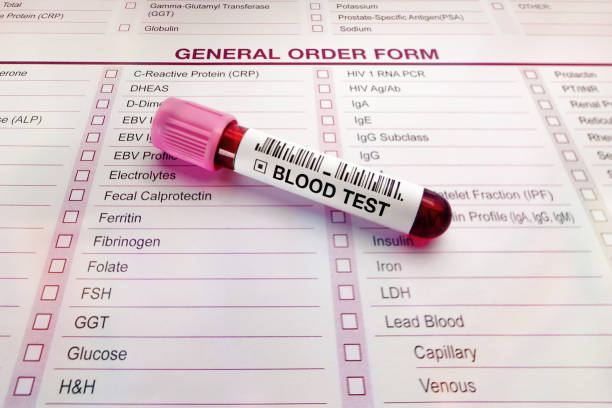
Today, I wanted to talk about something that comes up very often in my practice—your blood work.
I have many clients who come to me with their lab results and ask me to go through them with them. They’ve already had them reviewed, they’ve been told everything looks fine, and nothing stands out. And when I sit with them, the first thing I do is not jump straight into the numbers. I take a step back. I go through a full health history, I ask questions, and I try to understand the person sitting in front of me—how they eat, how they feel, and what they’ve been experiencing. Because without that context, the numbers don’t mean much.
When I then look at the blood work, I very often find myself sending them back to the lab. Not because something is wrong, but because something is missing. There are markers that haven’t been tested—pieces of the puzzle that haven’t been looked at. And without those, you simply can’t see the full picture of what’s going on.
Let me give you an example. A client comes in with slightly elevated LDL and total cholesterol. At first glance, you might think this is something to keep an eye on, but nothing major. Then you notice that their triglycerides are very low. You ask about their diet and realise they eat very well—good quality fats, balanced meals, nothing that immediately raises concern. But they also mention they’ve been struggling with digestion—loose stools, and a sense that something is just not sitting right.
If you only look at the cholesterol numbers in isolation, you might feel reassured. Low triglycerides are often seen as a good thing. But in this context, it doesn’t quite add up. Because if someone is consuming fats and the body is processing them properly, you would expect a certain pattern. When that pattern doesn’t match what you’re seeing, that’s a signal—a quiet one, but an important one.
This is where we start to ask different questions. Is the body actually breaking down fats properly? Is there enough bile being produced? Are digestive enzymes doing their job? Is there an issue with absorption? Because sometimes what looks “good” on paper isn’t always telling the full story. It can actually be pointing us toward something that needs further attention.
This is exactly why I always say your blood tests are not just numbers. They are clues. They are part of a much bigger story that needs to be read together, not in isolation.
Another pattern I often look at—one that I’ve spoken about before—is the relationship between blood sugar and INSULIN. Many of the shifts we see later on, including changes in triglycerides and cholesterol, don’t start there. They often begin much earlier. If you’ve read some of my previous blogs, you’ll know how important INSULIN is in this process, and how it influences not just blood sugar, but metabolism as a whole.
This is why, when I work with clients, I don’t just look at what has been flagged. I look at what hasn’t been tested, what hasn’t been explained, and what might be quietly developing beneath the surface.
There are many examples like this—each one different, each one telling its own story. But the common thread is this: when you take the time to look deeper, things begin to make sense. And that’s when you’re able to make the right decisions when it comes to your diet and lifestyle—not based on guesswork, but based on understanding.
Owning your health starts with understanding what’s really going on. Not just being told everything is fine, but knowing why it is—or isn’t.
Over the coming weeks, I’ll be opening a few spaces for those who would like to look at their blood work more closely—to go beyond the surface and understand what their results are actually showing.
In my next newsletter, I’ll be sharing something that I think many of you will find eye-opening. We’ll go through the latest lab markers that are now being used to assess cholesterol more accurately, along with the optimal reference ranges you should be aiming for—not just what is considered “normal.” For those with cardiovascular concerns, there are updated targets from institutions like the American Heart Association that are important to be aware of. Understanding these shifts can give you a much clearer picture of where you stand and what steps you may need to take moving forward.
Always looking out for you,
Small changes for a healthier “U”