

Looking Beyond Cholesterol Numbers
- Nadia Kawash
- Blood Pressure, Body
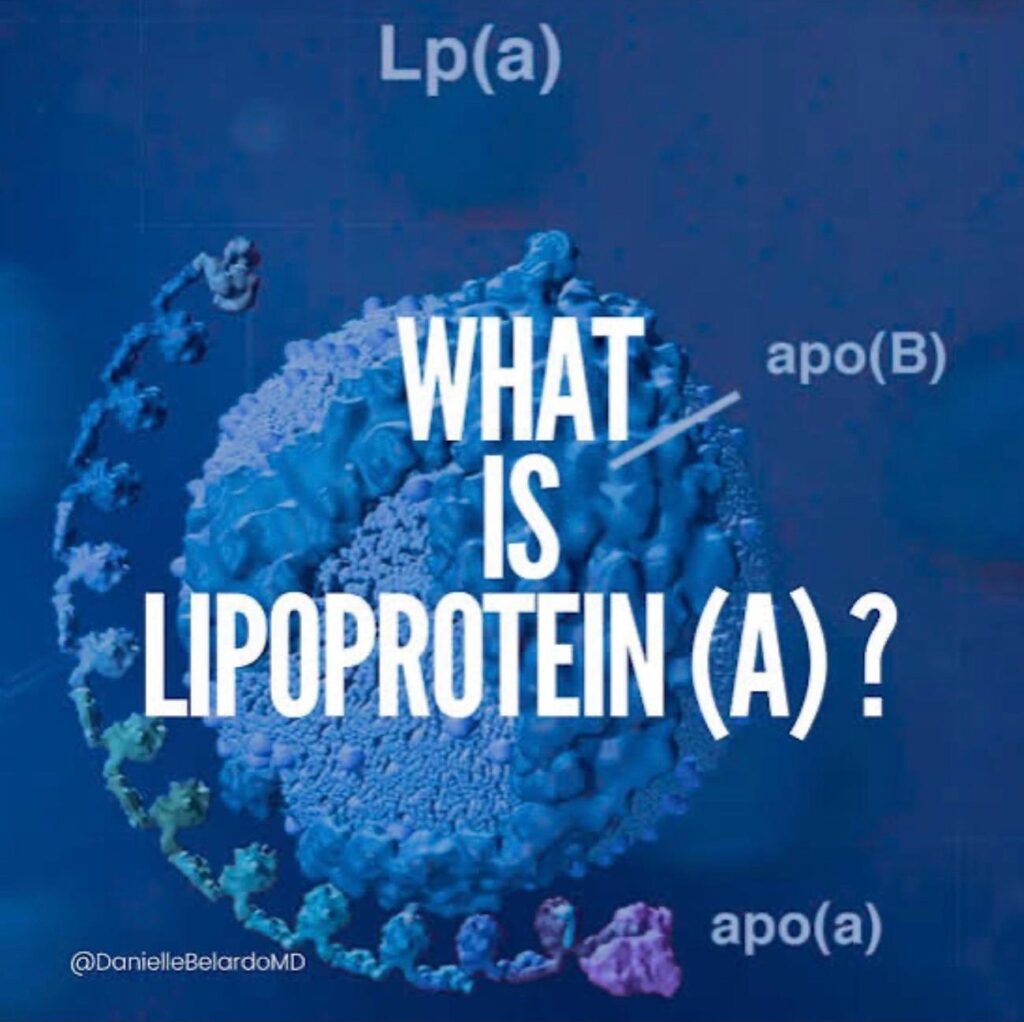
Last month, we spoke about how cholesterol is often far more complex than simply looking at one isolated number on a standard blood test.
This month, I wanted to continue that conversation by briefly introducing some of the newer cardiovascular markers that are becoming increasingly important in prevention-focused medicine and cardiovascular risk assessment.
In recent years, organizations such as the American Heart Association (AHA) and American College of Cardiology (ACC) have expanded discussions around markers such as ApoB, Lipoprotein(a), triglycerides, inflammation, insulin resistance, LDL particle quality, and Coronary Artery Calcium (CAC) scoring — because we now understand that cardiovascular disease is influenced by far more than cholesterol alone.
For example, two people may have the exact same LDL cholesterol level on paper, yet their actual cardiovascular risk may look very different once we begin looking deeper at inflammation, metabolic health, genetics, blood sugar balance, and lifestyle factors.
This is why newer prevention models are shifting toward a more comprehensive understanding of cardiovascular health rather than focusing on one number in isolation.
Markers such as ApoB, ApoA1, the ApoB/ApoA1 ratio, Lipoprotein(a), LDL particle size and density, fasting insulin, HbA1c, triglycerides, and inflammatory markers such as high-sensitivity C-reactive protein (hs-CRP) can often provide a much clearer understanding of what may truly be happening beneath the surface.
What makes this important is that many of these patterns can begin developing years before more advanced cardiovascular disease appears.
In Functional Medicine, we often ask deeper questions earlier.
Is inflammation quietly driving the process?
Is blood sugar imbalance affecting how fats are being processed in the body?
Are triglycerides increasing because the body is struggling with insulin resistance?
Could lifestyle, nutrition, sleep, stress, or movement patterns be contributing to what we are seeing on paper?
Sometimes elevated triglycerides and cholesterol patterns may also reflect how well the body is digesting and processing fats. If digestion is sluggish, nutrient levels are low, or the body is lacking important vitamins and antioxidants needed to properly break down fats and produce energy, this can place extra stress on the system over time.
When this happens, fats may become more vulnerable to inflammation and oxidative stress, creating additional burden on the liver, blood vessels, and overall metabolic health.
This is why prevention matters.
Because cardiovascular disease does not suddenly appear overnight. The body often begins communicating long before symptoms or major disease develop — through subtle changes involving blood sugar balance, inflammation, triglycerides, insulin resistance, and the way fats are carried and processed within the body.
By identifying and addressing these imbalances earlier, we create the opportunity to support the body through nutrition, movement, lifestyle changes, improved metabolic health, and anti-inflammatory support long before more serious disease develops.
The goal is not fear.
And it is not about replacing your physician’s care.
The goal is understanding the bigger picture, identifying patterns earlier, and creating an opportunity for prevention before more significant cardiovascular disease develops.
Health is rarely about one isolated number.
The more we understand how the body communicates through patterns, the greater opportunity we have to support it earlier and more wisely.
If your cholesterol or triglycerides have recently been flagged, perhaps this is an opportunity not simply to ask, “How do I lower the number?” but also, “What might my body be trying to communicate?”
Sometimes looking deeper and asking better questions earlier can make all the difference.
——— Prevention begins simply by asking better questions———–
As an educational resource, I have also attached a simple cardiovascular and metabolic marker guide outlining some of the tests discussed in this newsletter, along with commonly used functional ranges and why they may matter in prevention-focused health conversations.
As August approaches, I will be taking a short summer pause to rest and recharge before returning in September.
I look forward to continuing these conversations with you after the break and sharing more about prevention, longevity, and understanding the body through a more comprehensive lens.
Always looking out for you,
Small changes for a healthier “U”